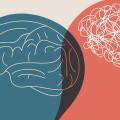
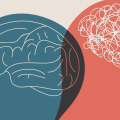
Mental health is a crucial aspect of our overall well-being, encompassing our emotional, psychological, and social states. It influences how we think, feel, and act, playing a significant role in how we handle stress, relate to others, and make choices. Understanding mental health is essential not only for individuals but also for communities and societies as a whole. The World Health Organization (WHO) defines mental health as a state of well-being in which every individual realizes their own potential, can cope with the normal stresses of life, can work productively and fruitfully, and is able to contribute to their community.Despite its importance, mental health issues are alarmingly prevalent.
According to the National Institute of Mental Health (NIMH), nearly one in five adults in the United States experiences mental illness each year. This staggering statistic highlights the urgent need for effective management strategies that can help individuals navigate their mental health challenges. Conditions such as anxiety disorders, depression, and bipolar disorder can significantly impair daily functioning and quality of life. Therefore, recognizing the signs of mental health issues and seeking appropriate support is vital.Moreover, the stigma surrounding mental health often prevents individuals from seeking help or discussing their struggles openly.
This silence can exacerbate feelings of isolation and despair. By fostering an environment where mental health is openly discussed and prioritized, we can encourage those affected to seek help and explore various management options. Natural remedies have gained attention as effective alternatives or complements to traditional treatments. These remedies not only promote healing but also empower individuals to take charge of their mental well-being.
The Role of Exercise in Mental Health Management
Engaging in regular physical activity is one of the most effective strategies for enhancing mental health.Numerous studies have demonstrated that exercise can significantly improve mood, reduce anxiety, and alleviate symptoms of depression. The physiological effects of exercise on the brain are profound, as it stimulates the release of endorphins, often referred to as "feel-good" hormones. These natural chemicals can create feelings of happiness and euphoria, making exercise a powerful tool for mental well-being.Moreover, exercise increases blood flow to the brain, which can enhance cognitive function and promote neurogenesis—the process of forming new neurons. This is particularly beneficial for individuals experiencing mental health challenges, as it can lead to improved memory, focus, and overall cognitive performance.
Types of Exercises Beneficial for Mental Health
Not all exercises are created equal when it comes to boosting mental health.Here are some types that have shown significant benefits:
- Aerobic Exercise: Activities such as running, cycling, and swimming increase heart rate and promote the release of endorphins. These exercises are particularly effective in reducing symptoms of anxiety and depression.
- Strength Training: Lifting weights or engaging in resistance training can also improve mood and self-esteem. The sense of accomplishment from building strength can be empowering.
- Yoga: Combining physical postures with breathing techniques and meditation, yoga has been shown to reduce stress and anxiety levels while promoting relaxation.
- Mindful Walking: This practice involves walking while being fully present in the moment. It encourages mindfulness and can help clear the mind, making it an excellent way to manage stress.
Incorporating Exercise into Daily Routines
Integrating exercise into your daily life doesn’t have to be daunting.Here are some practical tips:
- Set Realistic Goals: Start with small, achievable goals that fit your lifestyle. Whether it's a 10-minute walk or a short yoga session at home, consistency is key.
- Create a Schedule: Designate specific times for physical activity in your calendar. Treat these appointments as you would any other important commitment.
- Find Activities You Enjoy: Choose exercises that you find enjoyable. This could be dancing, hiking, or joining a local sports team.
Enjoyment increases the likelihood of sticking with it.
- Buddy Up: Exercising with a friend or family member can make workouts more enjoyable and provide motivation to stay active.
Relaxation Techniques to Alleviate Stress and Anxiety
Managing stress and anxiety is crucial for maintaining mental health, and incorporating relaxation techniques into your daily routine can be a powerful way to achieve this. Below are several effective methods that can help alleviate stress and promote a sense of calm.Yoga
Yoga is a holistic practice that combines physical postures, breathing exercises, and meditation. It has been shown to reduce levels of the stress hormone cortisol while enhancing overall well-being.Regular practice can improve flexibility, strength, and balance, but its most significant benefits lie in its ability to foster mental clarity and emotional stability. Many studies have indicated that yoga can effectively reduce symptoms of anxiety and depression, making it a valuable tool for those seeking to improve their mental health.
Meditation
Meditation is another powerful technique for managing stress and anxiety. By focusing the mind and eliminating distractions, meditation encourages a state of deep relaxation. Techniques such as mindfulness meditation involve paying attention to the present moment without judgment, which can help individuals detach from negative thoughts and feelings.Research has shown that regular meditation practice can lead to significant reductions in anxiety levels and improvements in overall emotional well-being.
Deep Breathing Exercises
Deep breathing exercises are simple yet effective methods for calming the mind and body. These exercises involve taking slow, deep breaths to activate the body's relaxation response. One popular technique is diaphragmatic breathing, where you breathe deeply into your abdomen rather than your chest. This method not only helps lower heart rate and blood pressure but also promotes a sense of tranquility.Practicing deep breathing for just a few minutes each day can significantly enhance your ability to cope with stress.
Progressive Muscle Relaxation (PMR)
Progressive Muscle Relaxation (PMR) is a technique that involves tensing and then relaxing different muscle groups in the body. This method helps individuals become more aware of physical sensations associated with tension and relaxation, promoting a greater sense of control over their bodies. By systematically working through muscle groups, PMR can effectively reduce physical tension associated with stress and anxiety.Incorporating these relaxation techniques into your daily routine can provide significant benefits for your mental health. Whether you choose yoga, meditation, deep breathing exercises, or PMR, finding the right method for you can lead to improved emotional resilience and a more balanced life.Herbal Supplements: Nature's Allies in Mental Health
Herbal supplements have gained recognition as effectiveHerbal supplements have gained recognition as effective natural remedies for mental health, particularly in managing conditions like anxiety and depression.These plant-based solutions offer a holistic approach to mental wellness, often with fewer side effects than conventional medications. Below, we explore several key herbs that have shown promise in supporting mental health.
Chamomile: A Soothing Ally
Chamomile is widely known for its calming properties, making it a popular choice for those dealing with anxiety and sleep disturbances. This herb contains antioxidants that may promote relaxation and reduce stress levels. Research has indicated that chamomile can significantly decrease symptoms of generalized anxiety disorder (GAD).A study published in the journal Phytotherapy Research found that participants who took chamomile extract experienced a notable reduction in anxiety symptoms compared to those who received a placebo.
Ginseng: The Energy Booster
Ginseng, particularly Panax ginseng, has been utilized in traditional medicine for centuries. It is believed to enhance mental clarity and combat fatigue, which can be beneficial for individuals experiencing depression. Ginseng works by modulating the body's stress response and improving overall mood. A systematic review in the Journal of Ginseng Research highlighted ginseng's potential to alleviate depressive symptoms and improve cognitive function, making it a valuable addition to any mental health regimen.Rhodiola: The Adaptogen
Rhodiola rosea is classified as an adaptogen, meaning it helps the body adapt to stressors.This herb has been shown to enhance resilience against stress and improve mood. Studies suggest that rhodiola can reduce fatigue and improve mental performance during stressful situations. A clinical trial published in Phytomedicine demonstrated that participants taking rhodiola experienced significant reductions in symptoms of depression and anxiety, further supporting its role as an effective herbal treatment.
Incorporating Herbal Supplements into Your Routine
When considering herbal supplements for mental health, it's essential to consult with a healthcare professional, especially if you are currently taking other medications. These herbs can be consumed in various forms, including teas, capsules, or tinctures.Additionally, combining these supplements with lifestyle changes such as regular exercise and mindfulness practices can enhance their effectiveness.In conclusion, herbal supplements like chamomile, ginseng, and rhodiola offer promising support for managing mental health issues. Their natural properties not only help alleviate symptoms of anxiety and depression but also promote overall well-being. As always, individual responses may vary, so it's crucial to approach these remedies with care and professional guidance.
Mindfulness Practices to Enhance Mental Clarity and Calmness
Incorporating mindfulness practices into your daily routine can significantly enhance your mental clarity and emotional well-being. These practices encourage you to focus on the present moment, which can help alleviate stress and anxiety while promoting a sense of calmness.One effective mindfulness practice is mindful walking.This technique involves paying close attention to the sensations of walking, such as the feeling of your feet touching the ground, the rhythm of your breath, and the sights and sounds around you. To practice mindful walking:
- Find a quiet place where you can walk without distractions.
- Start by standing still for a moment, taking a few deep breaths to center yourself.
- Begin walking slowly, focusing on each step. Notice how your body moves and how it feels.
- If your mind wanders, gently bring your attention back to the act of walking.
Research has shown that practicing gratitude can lead to improved mental health by shifting your focus from negative thoughts to positive experiences. To get started with gratitude writing:
- Set aside a few minutes each day or week to write in a journal.
- List at least three things you are grateful for, no matter how small they may seem.
- Reflect on why you are grateful for these things and how they positively impact your life.
When to Seek Professional Help: Understanding Limitations of Natural Remedies
While natural remedies can provide significant benefits for managing mental health issues, it is crucial to recognize their limitations. Understanding when to seek professional help is essential for ensuring comprehensive care and effective treatment.Here are some signs that may indicate the need for professional intervention:
- Persistent Symptoms: If you find that your symptoms of anxiety or depression are ongoing and do not improve with natural remedies, it may be time to consult a mental health professional. Persistent feelings of sadness, hopelessness, or anxiety can indicate a more serious condition that requires specialized treatment.
- Interference with Daily Life: When mental health issues begin to interfere with your daily activities—such as work, relationships, or self-care—it is a clear signal that professional help is needed. If you struggle to perform routine tasks or maintain social connections, seeking therapy can provide the support you need.
- Suicidal Thoughts: If you experience thoughts of self-harm or suicide, it is imperative to seek immediate professional help. This is a critical situation that requires urgent attention from mental health experts who can provide the necessary care and intervention.
- Substance Abuse: If you find yourself relying on alcohol or drugs to cope with your mental health issues, this can exacerbate your condition and lead to further complications.
Professional treatment can help address both the substance abuse and the underlying mental health concerns.
Conclusion: Embracing a Holistic Approach to Mental Health Management
In conclusion, managing mental health effectively requires a comprehensive and holistic approach that integrates various natural remedies alongside professional guidance.Throughout this article, we have explored several natural strategies that can significantly enhance mental well-being, including the benefits of regular exercise, relaxation techniques, and the use of herbal supplements.To summarize, here are the key points discussed:
- Exercise: Engaging in physical activity not only boosts endorphin levels but also fosters social connections, which are vital for emotional support.
- Relaxation Techniques: Practices such as yoga, meditation, and deep breathing exercises can help alleviate stress and promote a sense of calm.
- Herbal Supplements: Natural herbs like chamomile, ginseng, and rhodiola have been shown to provide relief from symptoms of anxiety and depression.
- Mindfulness Practices: Incorporating mindfulness into daily routines, such as mindful walking or gratitude writing, can enhance self-awareness and emotional regulation.