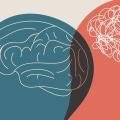
Mental health and mental illness are critical components of our overall well-being, yet they are often misunderstood. In today’s fast-paced world, where stress and anxiety are prevalent, understanding the nuances between mental health and mental illness is more important than ever. While these terms are frequently used interchangeably, they represent distinct concepts that play significant roles in our lives. Mental health encompasses our emotional, psychological, and social well-being, influencing how we think, feel, and act.
It affects how we handle stress, relate to others, and make choices. On the other hand, mental illness refers to specific disorders that affect mood, thinking, and behavior, often requiring professional diagnosis and treatment.The significance of distinguishing between these two terms cannot be overstated. Poor mental health does not automatically equate to a mental illness; many individuals may experience fluctuations in their mental well-being without meeting the criteria for a diagnosed condition. Conversely, those diagnosed with a mental illness can experience periods of good mental health.
This complexity highlights the importance of fostering a deeper understanding of both concepts to promote awareness and reduce stigma surrounding mental health issues.As society becomes increasingly aware of the importance of mental well-being, it is essential to recognize that everyone has a mental health status that can vary over time. Factors such as life experiences, genetics, and environmental influences can all impact our mental health. By exploring the differences between mental health and mental illness , we can better equip ourselves to support those who may be struggling and advocate for a more compassionate approach to mental wellness.
Defining Mental Health
Mental health is a multifaceted concept that encompasses our emotional, psychological, and social well-being. It plays a crucial role in how we think, feel, and act, influencing our ability to handle stress, relate to others, and make choices.Understanding the definition of mental health is essential for recognizing its significance in our daily lives.At its core, mental health refers to the state of our mind and how it affects our overall functioning. It includes several key components:
- Emotional Well-Being: This aspect involves the ability to manage emotions effectively, cope with challenges, and maintain a positive outlook on life. Individuals with good emotional well-being can express their feelings appropriately and navigate through life's ups and downs.
- Psychological Well-Being: This component focuses on cognitive processes such as thoughts, beliefs, and attitudes. A healthy psychological state allows individuals to think critically, solve problems, and make informed decisions.
- Social Well-Being: Our interactions with others significantly impact our mental health.
Strong relationships and a supportive social network contribute to a sense of belonging and purpose, which are vital for maintaining good mental health.
- Improving Resilience: Individuals with strong mental health are better equipped to handle stress and recover from setbacks.
- Enhancing Productivity: A positive mental state fosters creativity and efficiency in work or academic settings.
- Promoting Healthy Relationships: Good mental health enables individuals to communicate effectively and build meaningful connections with others.
- Encouraging Healthy Lifestyle Choices: Those who prioritize their mental well-being are more likely to engage in physical activity, maintain a balanced diet, and avoid harmful behaviors.
Understanding Mental Illness
Mental illness is a term that encompasses a wide range of mental health conditions that affect an individual's thinking, feeling, behavior, and overall functioning.Unlike general mental health, which refers to a person's emotional and psychological well-being, mental illness is characterized by specific symptoms and diagnostic criteria that can significantly impair daily life.
What is Mental Illness?
Mental illness is defined as a disorder that disrupts a person's cognitive, emotional, or social abilities. These disorders can manifest in various ways, affecting how individuals perceive reality, manage emotions, and interact with others. It is essential to understand that mental illness is not merely a temporary state of distress; it is a persistent condition that often requires professional intervention for effective management.
Types of Mental Illness
There are numerous types of mental illnesses, each with its own set of symptoms and treatment approaches. Some of the most common categories include:
- Anxiety Disorders: These include generalized anxiety disorder (GAD), panic disorder, and social anxiety disorder.
Symptoms often involve excessive worry, restlessness, and physical manifestations like increased heart rate.
- Depressive Disorders: Major depressive disorder and persistent depressive disorder (dysthymia) fall under this category. Individuals may experience prolonged feelings of sadness, hopelessness, and a lack of interest in activities once enjoyed.
- Bipolar Disorder: This condition is characterized by extreme mood swings ranging from manic highs to depressive lows. These fluctuations can affect energy levels and decision-making.
- Schizophrenia: A severe mental disorder that affects how a person thinks, feels, and behaves. Symptoms may include hallucinations, delusions, and disorganized thinking.
- Personality Disorders: These include borderline personality disorder and antisocial personality disorder.
They involve enduring patterns of behavior that deviate from cultural expectations and can lead to significant distress or impairment.
Symptoms of Mental Illness
The symptoms of mental illness can vary widely depending on the specific condition but often include:
- Changes in mood or emotional state
- Altered thinking patterns or perceptions
- Difficulty concentrating or making decisions
- Withdrawal from social interactions
- Changes in appetite or sleep patterns
- Increased substance use as a coping mechanism
Key Differences Between Mental Health and Mental Illness
Understanding the distinctions between mental health and mental illness is crucial for fostering awareness and promoting well-being. While these terms are often used interchangeably, they represent different concepts that can significantly impact individuals' lives.Mental Health
refers to a state of emotional, psychological, and social well-being. It encompasses how we think, feel, and act in our daily lives.
Good mental health allows individuals to cope with stress, relate to others, and make choices. It is not merely the absence of mental illness; rather, it is a dynamic state that can fluctuate based on various factors such as life experiences, environment, and personal relationships.On the other hand, mental illness is a diagnosed condition characterized by alterations in thinking, mood, or behavior that disrupt an individual's ability to function effectively. Mental illnesses are classified into various categories, including anxiety disorders, mood disorders, personality disorders, and psychotic disorders. These conditions often require professional intervention and treatment.
- Existence: A person can experience poor mental health without having a mental illness.
For instance, someone may feel stressed or overwhelmed due to life circumstances but does not meet the criteria for a mental disorder.
- Diagnosis: Mental illnesses are diagnosed based on specific criteria outlined in diagnostic manuals such as the DSM-5 (Diagnostic and Statistical Manual of Mental Disorders). In contrast, mental health is assessed through subjective measures of well-being.
- Treatment: While improving mental health can often be achieved through lifestyle changes, therapy, or support systems, mental illness typically requires more structured treatment approaches that may include medication and therapy.
Understanding these differences can help reduce stigma and encourage individuals to seek help when needed.
The Spectrum of Mental Health: From Wellness to Illness
The concept of a mental health spectrum is essential for understanding the complexities of mental well-being and illness. This spectrum illustrates that mental health is not a binary state but rather a continuum where individuals can experience varying degrees of wellness and distress. At one end of the spectrum lies optimal mental health, characterized by emotional stability, resilience, and a sense of purpose. Individuals in this state often exhibit strong coping mechanisms, healthy relationships, and an overall sense of fulfillment in their lives.As we move along the spectrum towards the other end, we encounter mental health challenges.These challenges can manifest as temporary feelings of anxiety, sadness, or stress that may arise from life events such as job loss, relationship issues, or significant life changes. While these experiences can be distressing, they do not necessarily indicate the presence of a mental illness. Instead, they reflect a natural response to life's ups and downs.Further along the spectrum, we find individuals who may be experiencing more persistent or severe symptoms that could lead to a diagnosis of mental illness. Conditions such as depression, anxiety disorders, bipolar disorder, and schizophrenia represent this end of the spectrum.
These illnesses are characterized by significant disruptions in thoughts, emotions, and behaviors that can impair daily functioning and quality of life.Understanding this continuum is crucial for several reasons:
- Reduces Stigma: Recognizing that everyone exists somewhere on this spectrum helps to normalize mental health challenges and reduces the stigma associated with mental illness.
- Encourages Early Intervention: By acknowledging that mental health can fluctuate, individuals may be more inclined to seek help early on when they notice signs of distress rather than waiting until symptoms escalate into a diagnosed condition.
- Promotes Holistic Approaches: Viewing mental health as a spectrum encourages comprehensive strategies for well-being that include self-care practices, therapy, and community support.
Factors Influencing Mental Health and Mental Illness
Mental health is influenced by a myriad of factors that can either promote well-being or contribute to the development of mental illnesses. Understanding these factors is crucial for fostering better mental health and addressing potential mental health issues before they escalate.Genetic Factors
Genetics play a significant role in determining an individual's mental health. Research indicates that certain mental illnesses, such as depression, anxiety disorders, and schizophrenia, can run in families.This hereditary aspect suggests that individuals may inherit a predisposition to these conditions. However, it is essential to note that genetics alone do not dictate mental health outcomes; they interact with various environmental and social factors.
Environmental Influences
The environment in which a person lives can significantly impact their mental health. Factors such as:- Living Conditions: Poor housing, overcrowding, and lack of access to basic amenities can lead to stress and anxiety.
- Community Support: A supportive community can enhance resilience, while isolation can exacerbate feelings of loneliness and depression.
- Trauma and Abuse: Experiencing traumatic events or abuse during childhood or adulthood can lead to long-term mental health issues.
Social Factors
Social dynamics also play a crucial role in shaping mental health. Factors such as:- Relationships: Healthy relationships with family, friends, and colleagues can provide emotional support and reduce stress.
- Socioeconomic Status: Individuals from lower socioeconomic backgrounds may face additional stressors, including financial instability and limited access to healthcare.
- Cultural Influences: Cultural beliefs and stigma surrounding mental health can affect how individuals perceive their own mental well-being and seek help.
Psychological Factors
A person's psychological makeup also influences their mental health.Factors such as:
- Coping Mechanisms: Effective coping strategies can help individuals manage stress and adversity, while poor coping mechanisms may lead to increased vulnerability to mental illness.
- Personality Traits: Certain personality traits, such as high levels of neuroticism or low self-esteem, can predispose individuals to mental health challenges.
The Role of Treatment in Mental Health and Mental Illness
Treatment plays a crucial role in both enhancing mental health and addressing mental illness. Understanding the various treatment options available can empower individuals to seek help and improve their overall well-being. Treatment approaches can be broadly categorized into three main types: therapy, medication, and holistic methods.Therapy Options for Mental Health
Therapy, often referred to as psychotherapy or counseling, is a primary treatment option for many mental health issues.It involves working with a trained mental health professional to explore thoughts, feelings, and behaviors. Here are some common types of therapy:
- Cognitive Behavioral Therapy (CBT): This evidence-based approach focuses on identifying and changing negative thought patterns and behaviors. CBT is effective for conditions such as anxiety disorders, depression, and PTSD.
- Dialectical Behavior Therapy (DBT): Originally developed for borderline personality disorder, DBT combines cognitive-behavioral techniques with mindfulness practices. It helps individuals manage intense emotions and improve interpersonal relationships.
- Psychodynamic Therapy: This therapy delves into unconscious processes and past experiences to understand current behavior.
It is particularly useful for those looking to gain insight into their emotional struggles.
- Group Therapy: In this setting, individuals share their experiences and support one another under the guidance of a therapist. Group therapy can foster a sense of community and reduce feelings of isolation.
Medication Options for Mental Illness
For some individuals, medication may be necessary to manage symptoms of mental illness effectively. Medications can help balance brain chemistry and alleviate symptoms associated with various disorders. Common categories of psychiatric medications include:- Antidepressants: These are often prescribed for depression and anxiety disorders.
They work by altering neurotransmitter levels in the brain.
- Antipsychotics: Used primarily for conditions like schizophrenia and bipolar disorder, these medications help manage symptoms such as hallucinations or severe mood swings.
- Anxiolytics: These medications are designed to reduce anxiety symptoms quickly but are typically prescribed for short-term use due to the risk of dependence.
- Mood Stabilizers: Often used in the treatment of bipolar disorder, mood stabilizers help regulate mood swings.
Holistic Approaches to Mental Health
In addition to traditional therapies and medications, many individuals find value in holistic approaches that promote overall well-being. These methods can complement conventional treatments:- Meditation and Mindfulness: Practices that encourage present-moment awareness can reduce stress and improve emotional regulation.
- Exercise: Regular physical activity has been shown to boost mood and reduce symptoms of anxiety and depression.
- Nutritional Support: A balanced diet rich in nutrients can positively impact brain health and emotional well-being.
- Aromatherapy: The use of essential oils may help alleviate stress and promote relaxation.
Promoting Mental Health: Strategies for Well-Being
Promoting good mental health is essential for overall well-being and can significantly enhance the quality of life. Here are several effective strategies that individuals can adopt to improve their mental well-being:- Practice Self-Care: Engaging in regular self-care activities is crucial.
This can include:
- Physical Activity: Regular exercise releases endorphins, which can elevate mood and reduce stress.
- Healthy Eating: A balanced diet rich in fruits, vegetables, and whole grains can positively impact mental health.
- Sufficient Sleep: Prioritizing sleep helps regulate mood and cognitive function.
- Meditation and Mindfulness: These practices can help reduce anxiety and promote a sense of calm.
- Build Strong Relationships: Social connections are vital for mental health. Consider the following:
- Stay Connected: Regularly reach out to friends and family, whether through calls, texts, or in-person visits.
- Join Community Groups: Engaging in local clubs or organizations can foster a sense of belonging.
- Volunteer: Helping others can improve your mood and create meaningful connections.
- Seek Professional Help: If you’re struggling with your mental health, don’t hesitate to reach out to a mental health professional. Therapy can provide valuable tools for coping with challenges.
These resources can provide not only information but also a supportive network of individuals who share similar experiences.Incorporating these strategies into daily life can lead to significant improvements in mental health. Remember that promoting mental well-being is an ongoing process that requires attention and effort. By prioritizing self-care, nurturing relationships, seeking help when needed, and utilizing community resources, individuals can cultivate a healthier mindset and a more fulfilling life.
Common Myths About Mental Health and Mental Illness
Understanding the nuances of mental health and mental illness is crucial for fostering a supportive environment for those affected. Unfortunately, several myths and misconceptions persist, often leading to stigma and misunderstanding.Here, we will debunk some of the most common myths surrounding these terms.
- Myth 1: Mental health issues are rare.
Many people believe that mental health problems only affect a small portion of the population. In reality, mental health issues are quite common. According to the National Institute of Mental Health, nearly one in five adults in the U. S.experiences mental illness in a given year.
- Myth 2: Mental illness is a sign of personal weakness.
This misconception perpetuates the stigma surrounding mental health. Mental illnesses are medical conditions that can affect anyone, regardless of their strength or character. Just as physical illnesses can affect anyone, so can mental health disorders. - Myth 3: People with mental illness are violent or dangerous.
Media portrayals often exaggerate the link between mental illness and violence. In fact, individuals with mental health conditions are more likely to be victims of violence than perpetrators.Most people with mental illnesses are not violent and can lead fulfilling lives with appropriate treatment.
- Myth 4: Therapy is only for people with severe mental illness.
Many believe that therapy is only necessary for those diagnosed with serious conditions. However, therapy can be beneficial for anyone looking to improve their mental health, manage stress, or navigate life changes. Seeking help early can prevent more severe issues from developing. - Myth 5: Medication is the only solution for mental illness.
While medication can be an effective treatment for many, it is not the only option. A comprehensive approach often includes therapy, lifestyle changes, and support systems.Each individual's treatment plan should be tailored to their unique needs.
Conclusion: Embracing a Holistic View of Mental Well-Being
In summary, understanding the distinction between mental health and mental illness is crucial for fostering a more informed and compassionate society. Throughout this article, we have explored how mental health encompasses a broad spectrum of emotional and psychological well-being, affecting everyone at various points in their lives. It is not merely the absence of mental illness but rather a state of balance that allows individuals to cope with stress, relate to others, and make choices that enhance their quality of life.On the other hand, mental illness refers to specific disorders that can be diagnosed based on established criteria.These conditions can significantly impact an individual's thoughts, feelings, and behaviors, often leading to challenges in daily functioning. Recognizing that mental illnesses are complex and multifaceted is essential for reducing stigma and promoting understanding. It is vital to remember that anyone can experience mental health challenges, regardless of their background or circumstances.By embracing a holistic view of mental well-being , we can better support those who are struggling with mental health issues. This includes advocating for accessible treatment options, encouraging open conversations about mental health, and fostering environments where individuals feel safe to seek help without fear of judgment.
Community support plays a significant role in recovery, as does the recognition that mental health is an integral part of overall health.As we move forward, let us commit to raising awareness about both mental health and mental illness. By doing so, we can create a culture that values emotional well-being and encourages individuals to prioritize their mental health. Together, we can work towards dismantling the barriers that prevent people from seeking help and ensure that everyone has the opportunity to thrive.