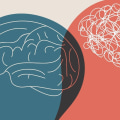
Mental health encompasses our emotional, psychological, and social well-being, influencing how we think, feel, and act. It plays a crucial role in determining how we handle stress, relate to others, and make choices. According to the World Health Organization, mental health issues are alarmingly prevalent, affecting millions of individuals worldwide. In the United States alone, approximately one in five adults experiences a mental health condition each year, with anxiety and depression being among the most common disorders.In response to the growing mental health crisis, antidepressants have become a widely prescribed solution.
These medications aim to alleviate symptoms of depression and anxiety by altering brain chemistry. While they can be effective for some individuals, it is essential to recognize that antidepressants are not a one-size-fits-all solution. Many patients report experiencing side effects such as weight gain, sexual dysfunction, and emotional numbness. Furthermore, the reliance on medication can sometimes overshadow the importance of holistic approaches to mental wellness.As awareness of these limitations grows, there is an increasing interest in exploring alternative treatments for mental health.
These options range from lifestyle changes and natural remedies to therapeutic practices that address the root causes of mental health issues rather than merely masking symptoms. By understanding the broader landscape of mental health treatment options, individuals can make informed decisions about their care and seek out methods that resonate with their personal values and needs.
The Importance of Alternative Treatments for Mental Health
In recent years, there has been a significant shift in the way we approach mental health care, with a growing recognition of the importance of alternative treatments. This shift is largely driven by the understanding that traditional pharmaceutical approaches, while effective for some, do not work for everyone and can often come with undesirable side effects. As a result, many individuals are seeking out holistic alternatives that address their unique needs and preferences.Alternative treatments for mental health encompass a wide range of therapies and practices that prioritize the whole person—mind, body, and spirit.These approaches often emphasize the importance of personal experience and individual choice in the healing process. By integrating various modalities, such as mindfulness, art therapy, and nutritional support, individuals can create personalized treatment plans that resonate with their specific circumstances.One of the key benefits of alternative therapies is their ability to empower individuals in their mental health journey. Rather than feeling like passive recipients of care, patients can take an active role in their healing process. This empowerment can lead to increased motivation and commitment to treatment, ultimately resulting in better outcomes.Moreover, alternative treatments often focus on prevention and overall well-being rather than merely alleviating symptoms.
For instance, practices like yoga and meditation not only help manage stress but also promote emotional resilience and self-awareness. These skills are invaluable in navigating life's challenges and can significantly reduce the likelihood of future mental health issues.Additionally, many alternative therapies are supported by emerging research that highlights their effectiveness. Studies have shown that interventions such as acupuncture, herbal supplements like St. John's Wort, and even dietary changes can yield positive results comparable to conventional medications for certain conditions.
This evidence encourages more individuals to explore these options as viable alternatives.In conclusion, the importance of alternative treatments for mental health cannot be overstated. As we continue to evolve our understanding of mental wellness, embracing a more holistic approach allows for greater personalization in treatment plans. By considering individual preferences and experiences, we can foster a more inclusive mental health care system that truly supports the diverse needs of all individuals.
Mindfulness and Meditation Techniques
Mindfulness and meditation have emerged as powerful tools for enhancing mental health and well-being. These practices encourage individuals to cultivate a state of awareness and presence, which can significantly alleviate symptoms of anxiety and depression.Understanding Mindfulness
At its core, mindfulness involves paying attention to the present moment without judgment.
This practice allows individuals to observe their thoughts, feelings, and bodily sensations in a non-reactive manner. By fostering this awareness, mindfulness helps break the cycle of negative thinking that often accompanies mental health issues.
Benefits of Mindfulness
- Reduces Stress: Regular mindfulness practice has been shown to lower cortisol levels, the hormone associated with stress.
- Enhances Emotional Regulation: Mindfulness helps individuals recognize their emotional responses, allowing for better management of feelings such as anger or sadness.
- Improves Focus: By training the mind to concentrate on the present, mindfulness enhances attention span and cognitive flexibility.
- Promotes Self-Compassion: Mindfulness encourages a kinder relationship with oneself, reducing self-criticism and fostering resilience.
Meditation Techniques for Mental Health
Meditation encompasses various techniques that can be tailored to individual preferences. Here are some effective methods:
- Guided Meditation: This involves listening to a recorded session led by an instructor who provides direction on visualization and relaxation techniques.
- Body Scan Meditation: Practitioners focus on different parts of the body, promoting relaxation and awareness of physical sensations.
- Loving-Kindness Meditation: This technique encourages sending goodwill and kindness towards oneself and others, fostering compassion and reducing feelings of isolation.
- Breath Awareness: Focusing solely on the breath helps anchor the mind in the present moment, making it easier to let go of distracting thoughts.
Creative Therapies: Art, Music, and Drama Therapy
Creative therapies, including art therapy, music therapy, and drama therapy, offer unique avenues for individuals to express their emotions and experiences, particularly for those grappling with mental health challenges.These therapeutic modalities harness the power of creativity to facilitate healing and self-discovery.
Art Therapy
Art therapy involves the use of visual arts as a means of communication and expression. It allows individuals to create art without the pressure of artistic skill, focusing instead on the process of creation. This form of therapy can be particularly beneficial for those who find it difficult to articulate their feelings verbally. Through painting, drawing, or sculpting, individuals can explore their emotions in a safe environment, often uncovering insights about their mental health that they may not have been able to express otherwise.Research has shown that engaging in art therapy can lead to significant reductions in anxiety and depression symptoms.
The act of creating art can serve as a meditative practice, helping individuals to focus on the present moment and reduce stress. Additionally, sharing artwork with a therapist can foster deeper discussions about personal experiences and emotional struggles.
Music Therapy
Music therapy utilizes music as a therapeutic tool to address emotional, cognitive, and social needs. This form of therapy can involve listening to music, songwriting, or even playing instruments. Music has a profound impact on our emotions; it can evoke memories, inspire joy, or provide comfort during difficult times.Studies indicate that music therapy can improve mood and enhance overall well-being.
For individuals dealing with mental health issues such as depression or anxiety, music therapy offers a non-verbal outlet for expression. It encourages emotional release and can help individuals connect with their feelings in a way that feels safe and manageable.
Drama Therapy
Drama therapy incorporates performance arts to promote personal growth and emotional healing. Participants engage in role-playing, improvisation, and storytelling to explore their thoughts and feelings. This form of therapy allows individuals to step outside themselves and view their situations from different perspectives.Through drama therapy, clients can confront fears, rehearse new behaviors, and develop coping strategies in a supportive environment.
The creative process involved in drama therapy not only fosters self-expression but also builds confidence and social skills.In conclusion, creative therapies such as art, music, and drama therapy provide valuable tools for emotional healing. They empower individuals to express themselves in ways that traditional talk therapies may not facilitate. By engaging in these creative outlets, individuals struggling with mental health issues can find new pathways to understanding themselves and improving their overall well-being.
Nature-Based Therapies: Ecotherapy and Outdoor Activities
In recent years, the concept of ecotherapy has gained traction as a viable alternative treatment for mental health issues. This approach emphasizes the therapeutic benefits of engaging with nature, suggesting that spending time outdoors can significantly enhance emotional well-being.Research indicates that nature-based therapies can lead to improvements in mood, reductions in stress levels, and an overall boost in mental health.Engaging in outdoor activities is not just a recreational pursuit; it can be a powerful tool for mental wellness. Activities such as hiking, gardening, or simply walking in a park allow individuals to connect with their surroundings, fostering a sense of peace and tranquility. The natural environment provides a unique backdrop that encourages mindfulness and presence, which are essential components in managing mental health.
Benefits of Outdoor Activities for Mental Health
- Reduction of Stress: Studies have shown that spending time in nature can lower cortisol levels, the hormone associated with stress. This reduction can lead to a calmer state of mind and improved emotional regulation.
- Improved Mood: Exposure to natural light and fresh air can stimulate the production of serotonin, a neurotransmitter that contributes to feelings of happiness and well-being.
Regular outdoor activity has been linked to decreased symptoms of anxiety and depression.
- Enhanced Physical Health: Outdoor activities often involve physical exercise, which is known to release endorphins—natural mood lifters. Improved physical health can also contribute to better mental health outcomes.
- Social Connection: Participating in group outdoor activities fosters social interaction and community building. These connections can provide emotional support and reduce feelings of isolation.
- Mindfulness and Presence: Nature encourages individuals to be present in the moment. Engaging with the sights, sounds, and smells of the outdoors can enhance mindfulness practices, which are beneficial for mental clarity and emotional stability.
Regardless of the format, the key is to immerse oneself in nature and allow its restorative properties to work their magic. As more people seek alternatives to traditional antidepressants, embracing nature as a therapeutic ally offers a promising path toward improved mental health.
Complementary Therapies: Acupuncture, Aromatherapy, and More
Complementary therapies have gained recognition as effective alternatives for managing mental health issues, particularly for those seeking relief from symptoms of depression and anxiety without relying solely on conventional medications. Among these therapies, acupuncture and aromatherapy stand out for their unique approaches to enhancing emotional well-being.Acupuncture for Depression
Acupuncture, a traditional Chinese medicine practice, involves the insertion of thin needles into specific points on the body to promote healing and balance. Research has shown that acupuncture can be beneficial for individuals experiencing depression.By stimulating the release of endorphins and other neurotransmitters, acupuncture may help alleviate feelings of sadness and anxiety.Several studies have indicated that acupuncture can lead to significant improvements in mood and overall mental health. For instance, a systematic review published in the Journal of Alternative and Complementary Medicine found that patients receiving acupuncture reported reduced symptoms of depression compared to those who did not receive treatment. This therapy not only addresses the physical aspects of mental health but also encourages relaxation and stress relief, which are crucial for emotional balance.
Aromatherapy Benefits
Aromatherapy
, another popular complementary therapy, utilizes essential oils derived from plants to enhance psychological and physical well-being. The scents of these oils can evoke powerful emotional responses and have been shown to reduce stress, anxiety, and depressive symptoms.Essential oils such as lavender, bergamot, and chamomile are particularly noted for their calming effects.
For example, lavender oil has been extensively studied for its ability to promote relaxation and improve sleep quality, both of which are essential for maintaining good mental health. Inhaling these scents or using them in massage can create a soothing environment that fosters emotional healing.
Integrating Complementary Therapies
Integrating acupuncture and aromatherapy into a comprehensive mental health treatment plan can provide a holistic approach to wellness. These therapies can complement traditional treatments by addressing both the mind and body, offering individuals a more rounded path to recovery. It is essential for individuals considering these therapies to consult with healthcare professionals to ensure they are suitable for their specific needs.In conclusion, complementary therapies like acupuncture and aromatherapy offer promising avenues for enhancing mental health.By exploring these options, individuals may find effective ways to manage their symptoms while fostering a deeper sense of emotional balance.
Nutritional Approaches: Diet and Supplements for Mental Health
Nutrition plays a crucial role in maintaining mental health and can significantly influence mood, cognitive function, and overall emotional well-being. A balanced diet rich in essential nutrients can help mitigate symptoms of depression and anxiety, making dietary choices an important aspect of mental wellness.One of the most notable dietary components linked to mental health is omega-3 fatty acids. These healthy fats are primarily found in fatty fish such as salmon, mackerel, and sardines, as well as in flaxseeds and walnuts. Research has shown that omega-3 fatty acids can help reduce symptoms of depression and anxiety by promoting brain health and improving neurotransmitter function.They are believed to enhance the production of serotonin, a neurotransmitter that contributes to feelings of happiness and well-being.In addition to omega-3s, several other nutrients are vital for supporting mental health:
- B vitamins: Vitamins B6, B12, and folate are essential for brain function and mood regulation. Deficiencies in these vitamins have been linked to increased risk of depression.
- Vitamin D: Often referred to as the "sunshine vitamin," vitamin D plays a role in mood regulation. Low levels of vitamin D have been associated with depressive symptoms.
- Magnesium: This mineral is involved in numerous biochemical reactions in the body, including those that regulate mood. Studies suggest that magnesium supplementation may help alleviate symptoms of depression.
- Zinc: Zinc deficiency has been linked to mood disorders.
Including zinc-rich foods like nuts, seeds, and whole grains can support mental health.
- Fish oil supplements: These are a concentrated source of omega-3 fatty acids and can be an effective alternative for individuals who do not consume enough fish.
- Probiotics: Emerging research suggests a strong connection between gut health and mental health. Probiotics may help improve mood and reduce anxiety by promoting a healthy gut microbiome.
- Amino acids: Supplements like L-theanine or tryptophan can support neurotransmitter production and may help improve mood.
By prioritizing nutrition, individuals can take proactive steps toward improving their emotional well-being and reducing the risk of mental health disorders.
Therapeutic Practices: Counseling and Biofeedback
In the realm of mental health, therapeutic practices such as counseling and biofeedback have emerged as powerful tools for individuals seeking to manage their emotional well-being. These methods not only provide support but also empower individuals to take an active role in their mental health journey.Counseling for Mental Health
Counseling is a collaborative process that involves a trained professional helping individuals explore their thoughts, feelings, and behaviors. This therapeutic relationship fosters a safe environment where clients can express themselves without judgment. The primary goal of counseling is to equip individuals with the skills and insights necessary to navigate life's challenges effectively.- Types of Counseling: Various forms of counseling exist, including cognitive-behavioral therapy (CBT), psychodynamic therapy, and humanistic therapy.
Each approach offers unique techniques tailored to individual needs.
- Benefits: Counseling can lead to improved self-awareness, enhanced coping strategies, and a greater understanding of personal issues. Many clients report feeling more empowered and capable of managing their mental health after engaging in counseling sessions.
Biofeedback Therapy
Biofeedback is a technique that teaches individuals how to control physiological functions by using real-time feedback from their bodies. This method is based on the premise that by becoming more aware of bodily processes, individuals can learn to regulate them consciously.- How It Works: During biofeedback sessions, sensors are placed on the body to monitor functions such as heart rate, muscle tension, and skin temperature.
This data is then displayed on a screen, allowing individuals to see how their body responds to stressors.
- Applications: Biofeedback has been shown to be effective in treating various conditions, including anxiety disorders, chronic pain, and even migraines. By learning to control their physiological responses, individuals can reduce symptoms and improve their overall well-being.
Self-Care Strategies for Mental Wellness
Self-care is a vital component of maintaining mental wellness, especially in today’s fast-paced world where stressors can easily accumulate.By prioritizing self-care, individuals can enhance their emotional well-being and develop resilience against mental health challenges. Here are some effective self-care strategies that can be integrated into daily life:
- Establish a Routine: Creating a daily schedule can provide structure and predictability, which are essential for mental stability. Incorporate time for work, relaxation, and self-reflection.
- Practice Mindfulness: Engaging in mindfulness exercises, such as meditation or deep-breathing techniques, can help reduce anxiety and improve focus. Even a few minutes each day can make a significant difference.
- Physical Activity: Regular exercise is not only beneficial for physical health but also plays a crucial role in enhancing mood.
Aim for at least 30 minutes of moderate activity most days of the week.
- Nourish Your Body: A balanced diet rich in fruits, vegetables, whole grains, and lean proteins can positively impact your mental health. Foods high in omega-3 fatty acids, such as fish and walnuts, are particularly beneficial.
- Stay Connected: Maintaining relationships with friends and family is essential for emotional support. Make an effort to reach out regularly, whether through phone calls, video chats, or in-person visits.
- Limit Screen Time: Excessive use of screens can lead to increased stress and anxiety. Set boundaries on social media usage and take regular breaks from digital devices.
- Engage in Hobbies: Pursuing activities that bring joy—such as painting, gardening, or playing an instrument—can serve as a powerful outlet for stress relief and self-expression.
- Prioritize Sleep: Quality sleep is fundamental to mental health.
Establish a calming bedtime routine and aim for 7-9 hours of sleep each night to rejuvenate your mind and body.
<strong>Conclusion</strong>: Embracing a Holistic Approach to Mental Health Treatment
In conclusion, the journey towards achieving optimal mental health is multifaceted and deeply personal. As we have explored throughout this article, alternative treatments offer a valuable complement to traditional antidepressant therapies.These alternatives not only provide effective relief from symptoms but also empower individuals to take an active role in their mental wellness.By embracing a holistic approach, individuals can explore a variety of options tailored to their unique needs. Mindfulness practices, such as meditation and yoga, have been shown to enhance emotional regulation and reduce anxiety. Creative therapies, including art and music therapy, allow for self-expression and can facilitate healing in ways that conventional methods may not.Moreover, engaging with nature through ecotherapy has proven benefits for mental well-being. Activities like hiking or gardening can significantly improve mood and foster a sense of connection to the environment.
Complementary therapies such as acupuncture and aromatherapy also present promising avenues for alleviating symptoms without the side effects often associated with pharmaceuticals.It is essential to recognize that no single treatment fits all. Each person's experience with mental health challenges is unique, and what works for one individual may not work for another. Therefore, it is crucial to remain open-minded and willing to experiment with different modalities. Consulting with healthcare professionals who are knowledgeable about both traditional and alternative treatments can provide valuable guidance in this exploration.Ultimately, the goal is to cultivate a personalized treatment plan that encompasses various strategies—be it through therapy, lifestyle changes, or natural remedies.
By doing so, individuals can enhance their resilience against mental health issues and improve their overall quality of life.As we move forward in understanding mental health, let us continue to advocate for a comprehensive approach that values both traditional and alternative treatments. This balanced perspective not only enriches our understanding but also fosters a more inclusive environment for those seeking help.